

ETERNAL's 8th and final newsletter is jam packed with information on where you can find our more about the exciting range of results and achievements attained across the whole project as reaches its formal conclusion at the end of August 2026. Latest results, new publications, awrds nominations, final dissemination activity and useful links. It's all here!
19 August 2026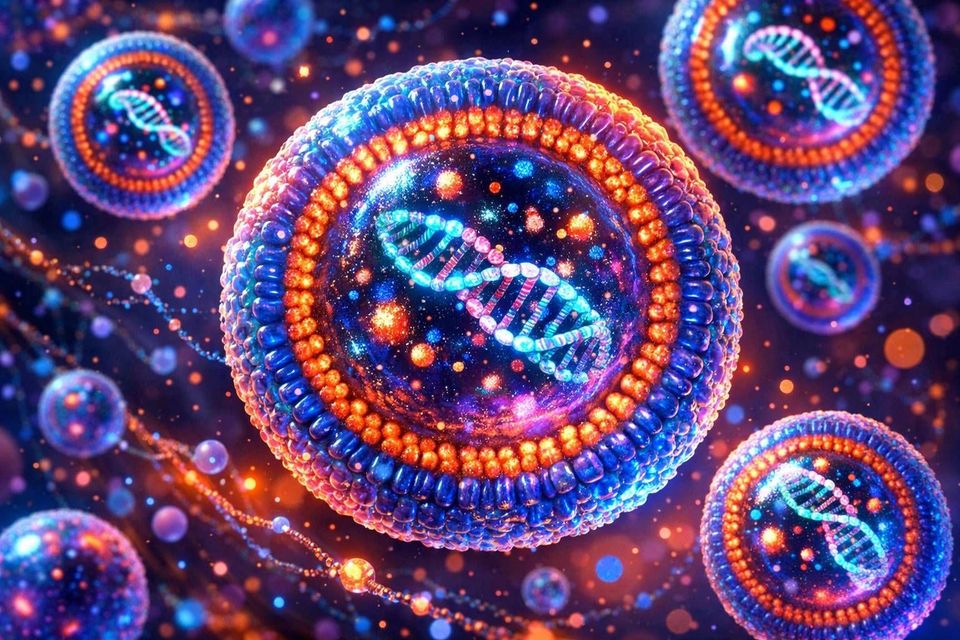
A new paper arising from collaboration under the ETERNAL RIA reports how a novel multi-agent Digital Twin approach has been applied to successfully simulate a microfluidic micromixer process for manufacturing DNA-Lipid Nanoparticles.
10 April 2026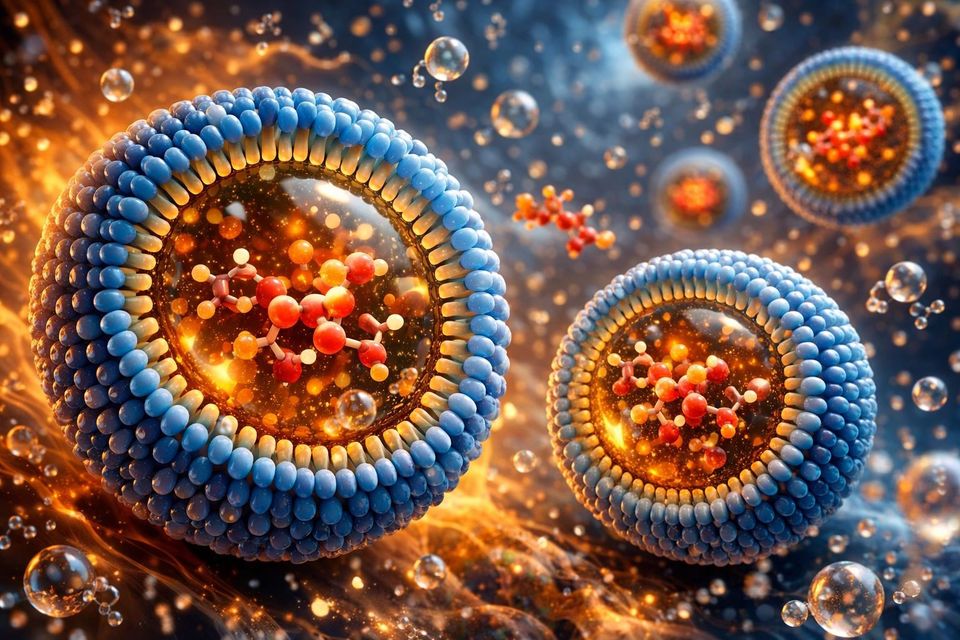
A recent publication arising from the ETERNAL Horizon Europe research collaboration compares three methods for fabricating diclofenac-loaded liposomes - probe sonication, microfluidic mixing, and a high-turbulence microreactor - under a Quality-by-Design framework.
27 February 2026
A new paper from ETERNAL authors at UKCEH reviews the state-of-the-art models used to predict the environmental fate and exposure of pharmaceuticals, focusing on sources, theoretical frameworks, comparative analyses of existing models, and factors such as polarity, metabolism, and breakdown processes, and goes on to identify current challenges and future directions in this field.
05 November 2025
The latest scientific paper produced by researchers in the ETERNAL project emphasises the potential role of enzymes in supporting the transition towards a more sustainable future pharmaceutical industry.
04 September 2025
A newly published, peer-reviewed paper from a cross-partner team of authors from the ETERNAL project assess the EU's strategy and proposed legislation for pharmaceuticals against the latest scientific knowledge about potential risks to biota and human health, identifying opportunities for strengthening the protection that it offers.
31 July 2025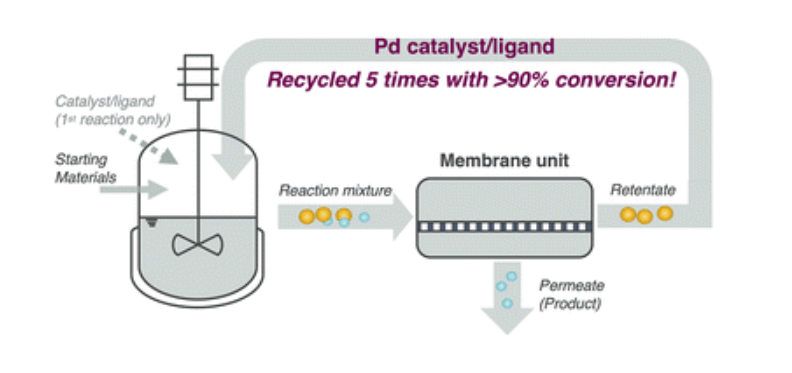
A new open-access, peer-reviewed paper by ETERNAL indiustrial partner AstraZeneca demonstrates the effective recovery of homogeneous palladium catalysts from reaction mixtures using commercial organic solvent nanofiltration (OSN) membranes. The paper presents a real pharmaceutical manufacturing case study to synthesize AZD4625, without altering the existing catalyst/ligand system. The recovered catalyst and ligand were successfully reused up to five times, maintaining over 90% conversion. Life cycle assessment shows that the sustainability of the process could be further enhanced by using greener bio-derived solvents and implementing solvent recovery to reduce solvent consumption.
28 February 2025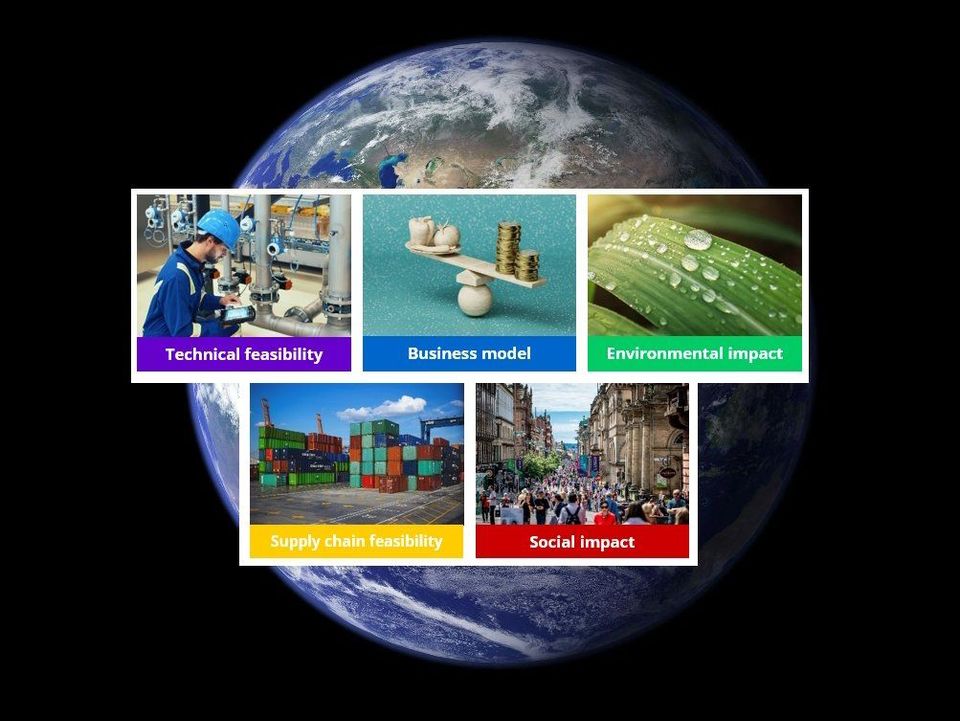
A recent open peer-review publication from Britest enabled by work done in the ETERNAL project details a new framework for early-stage sustainability assessment of innovation projects and an enabling multi-criteria decision analysis methodology handling uncertainty in the evaluation of the options considered.
12 August 2024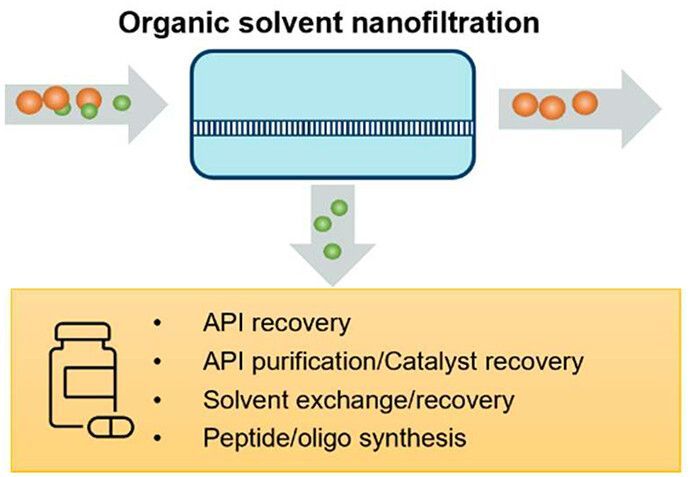
Separation and purification in organic solvents are indispensable procedures in pharmaceutical manufacturing. Organic solvent nanofiltration (OSN) offers a low energy, low waste generating, and easily scalable alternative to the conventional method sof distillation or chromatography. A newly open-access published review from ETERNAL partners AstraZeneca comprehensively summarizes the recent progress of organic solvent nanofiltration and its applications in the pharmaceutical industry.
22 March 2024This site uses cookies that enable us to make improvements, provide relevant content, and for analytics purposes. For more details, see our Cookie Policy. By clicking Accept, you consent to our use of cookies.